
Sourcing products directly from Chinese factories is a lucrative option for businesses seeking cost efficiency, customization, and scalability in 2024. However, navigating the process can be daunting, especially for newcomers unfamiliar with the intricacies of international procurement.
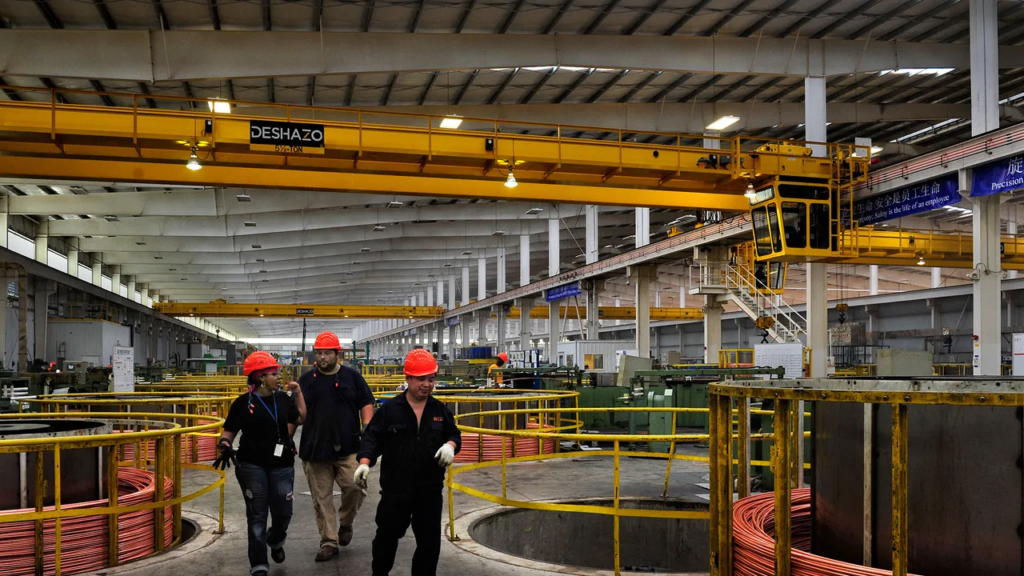
This comprehensive guide walks you through every stage of buying directly from Chinese factories, from understanding the types of suppliers to avoiding common pitfalls and addressing the challenges associated with this approach.
Why Buy Direct from China Factories?
China remains the world’s manufacturing powerhouse, offering competitive pricing, advanced production capabilities, and a wide array of suppliers. By sourcing directly, businesses eliminate middlemen, gaining greater control over costs, quality, and timelines. However, the benefits come with challenges, including language barriers, logistics hurdles, and the complexities of cross-border transactions. Success in this endeavor depends on meticulous planning and informed decision-making.
Understanding the Landscape
Types of Suppliers in China
Before initiating your procurement journey, it’s vital to understand the various types of suppliers in China and their roles:
- Wholesalers
Wholesalers offer ready-made goods in bulk at discounted rates. While they’re suitable for businesses looking to resell standard products, they do not provide customization or direct factory pricing. - Agents and Middlemen
Agents act as intermediaries, bridging the gap between buyers and factories. They streamline communication but often charge a commission, which can increase overall costs. - Distributors
Distributors specialize in pre-manufactured goods. They typically have stock readily available for purchase, making them ideal for businesses needing immediate delivery. However, they offer limited flexibility in terms of customization. - Manufacturers
Manufacturers are the ideal choice for businesses looking to create custom products or negotiate directly for better pricing. Working with manufacturers allows for greater control over quality, lead times, and product specifications.
The Pros of Buying Direct
- Cost Savings
By cutting out intermediaries, you can significantly reduce procurement costs. Manufacturers often provide discounts for bulk orders. - Enhanced Quality Control
Direct communication with the factory enables you to set quality benchmarks and conduct inspections at various production stages. - Product Customization
Factories can tailor products to meet your exact specifications, whether it’s branding, design, or functionality. - Improved Lead Times
With fewer layers of communication, the manufacturing and delivery process becomes faster and more efficient.
The Cons of Buying Direct
- Language and Cultural Barriers
Miscommunication is a common challenge, especially if neither party speaks a shared language fluently. - Complex Logistics
Shipping, customs clearance, and import regulations require careful planning and reliable partnerships. - High Minimum Order Quantities (MOQs)
Most factories require a minimum quantity to justify production, which may not suit smaller businesses. - Financial Risks
Without proper safeguards, prepayments and unverified suppliers can lead to fraud or substandard products.
Step-by-Step Guide to Buying Direct
1. Research and Identify Suppliers
Begin by identifying potential suppliers on platforms like Alibaba, Global Sources, and Made-in-China. Participating in trade fairs such as the Canton Fair can also provide firsthand interactions with manufacturers. Focus on finding suppliers with proven track records, verified certifications, and positive reviews.
2. Verify Supplier Credentials
Ensuring the legitimacy of your supplier is crucial. Request the following:
- Business License: Verify that the factory is legally registered in China.
- ISO Certification: Look for standards like ISO 9001 for quality management.
- Audit Reports: Use third-party services like SGS or TÜV Rheinland to conduct factory audits.
3. Compare Quotes
Request multiple quotes to evaluate pricing, lead times, and terms. Be cautious of suppliers offering prices significantly lower than market rates, as they may compromise on quality.
4. Order Samples
Before committing to bulk production, order product samples to assess quality, durability, and compliance with specifications. Factor in sample costs and delivery times when planning.
5. Negotiate Terms
Once satisfied with a supplier, negotiate key terms:
- Pricing: Include all costs, such as raw materials, labor, and packaging.
- Payment Terms: Opt for secure methods like escrow, letters of credit, or PayPal.
- Lead Times: Define production timelines and delivery schedules.
- Warranty: Clarify replacement policies for defective products.
6. Place the Order
Finalize your agreement with a purchase order that outlines all specifications, terms, and conditions. Keep a copy for legal and reference purposes.
7. Arrange Logistics
Collaborate with a trusted freight forwarder to handle shipping, customs clearance, and delivery. Choose between FOB (Free on Board) or CIF (Cost, Insurance, and Freight) terms based on your shipping preferences.

8. Conduct Quality Inspections
Before shipment, conduct a pre-shipment inspection using third-party agencies to ensure the products meet your standards.
Common Pitfalls to Avoid
- Selecting the Wrong Supplier
Prioritize due diligence to avoid working with unreliable or fraudulent suppliers. - Overlooking Quality Control
Neglecting inspections can result in receiving defective or non-compliant products. - Underestimating Costs
Hidden costs like tariffs, warehousing, and shipping can inflate your budget. - Ignoring Intellectual Property Rights
Protect your product designs with NDAs (Non-Disclosure Agreements) and patents when possible. - Rushing the Process
Hastily making decisions can lead to errors or missed opportunities for better terms.
Frequently Asked Questions
1. What are the Import Regulations?
Understand your country’s import duties, restrictions, and labeling requirements to ensure compliance.
2. How Can I Secure Payments?
Use escrow services or letters of credit to minimize financial risks. Avoid unsecured methods like direct bank transfers.
3. How to Mitigate Language Barriers?
Employ bilingual staff, use translation tools, or hire sourcing agents fluent in Chinese.
4. What is the Fastest Way to Ship?
Air freight is quicker but more expensive than sea freight. Choose based on urgency and budget.
5. How to Reduce Shipping Costs?
Consolidate shipments, negotiate with freight forwarders, and use cost-efficient incoterms like FOB.
Balancing the Trade-Offs
Buying directly from China factories involves balancing cost savings against potential risks. While lower prices are attractive, prioritizing quality, reliability, and proper safeguards is essential for sustainable success.
Conclusion
Sourcing directly from Chinese factories in 2024 presents immense opportunities for businesses willing to invest time and effort in navigating the process. By following this guide, you can minimize risks, optimize costs, and build reliable partnerships that support your business growth.
