

In the manufacturing world, ensuring product quality is essential to build trust and maintain a brand’s reputation. Pre-production inspections (PPI) are an invaluable quality control tool, performed before production begins, to confirm that raw materials, components, and processes align with specified standards. These inspections catch potential issues early, saving time, reducing costs, and improving overall product quality. This article will walk you through the benefits of PPIs, how they work, and why they’re a must-have step in any successful manufacturing process.
What is a Pre-Production Inspection?
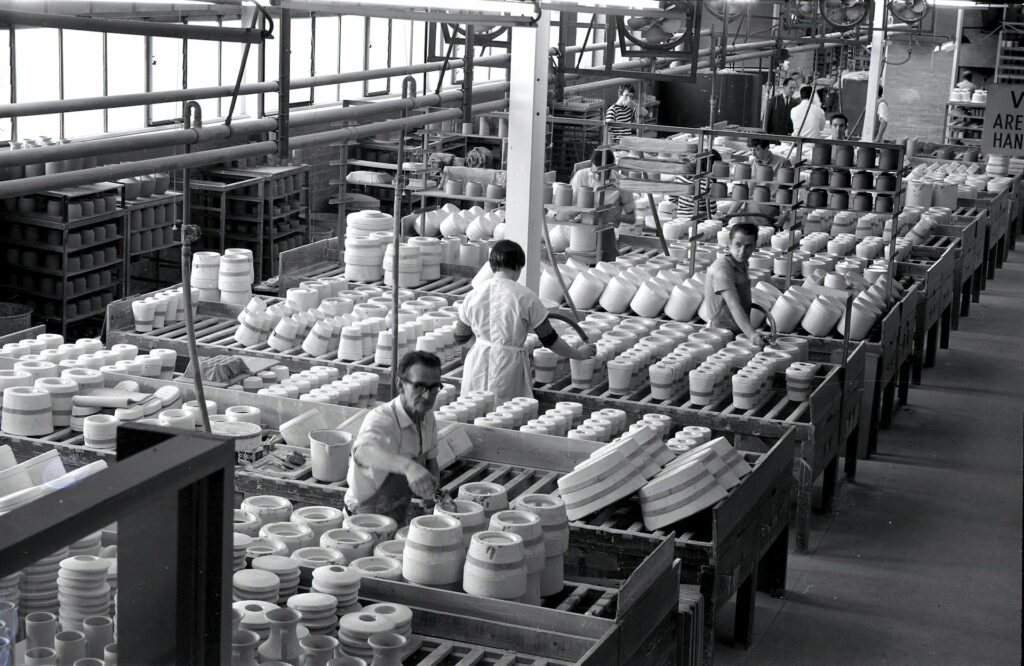
A Pre-Production Inspection is an initial check that verifies the quality, specifications, and quantity of raw materials and components before manufacturing begins. This inspection ensures that all elements meet agreed-upon standards and prevents costly rework or product recalls later in the process. Performed by quality assurance professionals, PPIs aim to confirm that materials meet quality expectations, so production can proceed without compromising the final product.
Why Pre-Production Inspections Matter
Here is why pre-production inspection is important.
- Cost Savings
Catching quality issues early in the production process reduces the need for costly rework, corrections, or material waste. When manufacturers skip pre-production inspections, they often face higher costs if issues are found during or after production, sometimes resulting in complete batches of unusable products. - Reduced Defect Rates
Ensuring quality from the start decreases the likelihood of producing defective goods, helping to keep defect rates low. This reduction translates to better efficiency and a stronger bottom line. - Supplier Accountability
PPIs hold suppliers accountable, ensuring they deliver materials that meet quality standards. When suppliers know that inspections will be performed, they’re more likely to adhere to the agreed-upon specifications. - Compliance and Regulatory Standards
For industries with strict compliance requirements, such as medical devices, electronics, and automotive, pre-production inspections ensure that products adhere to regulatory standards. PPIs help manufacturers avoid compliance issues that could lead to recalls or fines. - Improved Customer Satisfaction
High-quality products result in fewer customer complaints and returns. When products meet quality standards from the start, customer satisfaction and loyalty increase, contributing to a positive brand reputation.
Key Steps in Pre-Production Inspections
To conduct a successful pre-production inspection, manufacturers follow a structured process that includes:
- Specification Verification
Inspectors confirm that materials, components, and packaging meet the specified requirements. This process often involves checking for color, size, weight, and other specifications that ensure consistency and functionality. - Material and Component Quality Checks
Inspectors examine the quality of materials to ensure they meet durability and performance standards. For example, in the textile industry, inspectors may test fabrics for tensile strength, colorfastness, and shrinkage to verify suitability for production. - Functionality Testing
Inspectors perform functionality tests on critical components to ensure they work as intended. For example, in electronics manufacturing, battery testing ensures components function effectively and meet safety requirements. - Process Audits
Audits of manufacturing processes help identify any potential issues with equipment, assembly methods, or quality control measures. Inspectors verify that the manufacturer follows the correct processes and uses up-to-date, properly maintained equipment. - Packaging and Labeling Review
The inspection process also includes verifying that packaging and labeling meet specified standards. Proper labeling ensures that the end-user receives accurate product information and safety warnings. - Quantity Confirmation
PPIs verify that the right quantities of materials are available to meet production requirements, ensuring that there won’t be any shortages or overages in materials.
The Role of Pre-Production Inspections in Quality Control
Pre-production inspections are part of a broader quality control strategy, which also includes in-line inspections, post-production checks, and pre-shipment inspections. This multi-phase approach provides a comprehensive safety net, ensuring quality at every stage. By catching potential issues early, PPIs enhance the reliability of the entire manufacturing process.
Common Industries That Rely on Pre-Production Inspections
Industries where quality is critical rely heavily on pre-production inspections. Some of these industries include:
- Consumer Electronics: To ensure that materials meet electrical safety standards and components are defect-free.
- Automotive Manufacturing: For high-quality parts that meet safety and performance specifications.
- Fashion and Textiles: To confirm that fabrics, dyes, and finishes meet brand quality standards.
- Food and Beverage: To verify that ingredients meet safety and quality requirements before production.
Conclusion
Pre-production inspections are a vital component of any effective quality control process. By catching potential issues early, PPIs save costs, reduce defect rates, improve supplier accountability, and ultimately enhance customer satisfaction. Industries across the board can benefit from implementing pre-production inspections, as they ensure high-quality products and help maintain brand reputation. Skipping this crucial step can lead to costly production errors and lost trust, making PPIs essential for any company committed to quality assurance.
